

News
My experience at COP25 – the world’s largest climate change conferenceDecember 20, 2019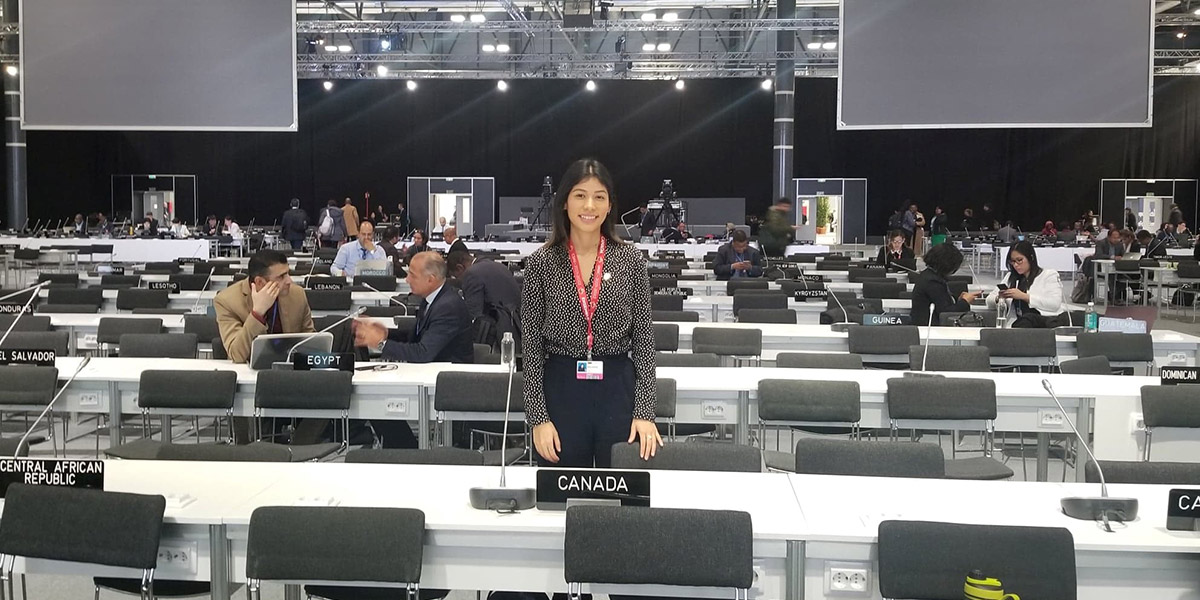 COP25’s multilateral negotiation hall. Earlier this month, I attended COP25, the world’s largest climate change conference, in Madrid, Spain. Over 30,000 people from around the world took part in the two-week conference, including Indigenous groups, youth activists (yes, Greta was there), businesses, and world leaders. Throughout the conference, they discussed oceans, sustainable tourism, food systems, health, and much more. I attended negotiations, high-level panels, exhibits and other events where I got an up close and personal perspective on some of the most important climate discussions happening today. In particular, it was fascinating to see our Canadian negotiators in action on critical issues, such as Article 6 of the 2015 Paris Agreement (for a universal carbon market). These types of negotiations are very complex, as each country has its own objectives, based on their own economics and politics.  Thanks to my previous work with the United Nations Development Program, I was given a special pass that allowed me to attend the Canadian delegation briefings and negotiations. Yellow, or observer, badges did not grant the same access. Nature-based solutions to climate changeThroughout the conference, it became clear that there is a growing interest in nature-based solutions to climate change. Many government leaders talked about how they are using forests to help offset carbon emissions. The private sector also spoke about the economic value of forests. For example, businesses in Peru are investing in sustainable forest products, services and practices that benefit Indigenous and rural communities. Peru is 60% covered by forests and many of its Indigenous inhabitants depend on them for their livelihood. This kind of action makes a big difference in their lives. In Canada and the U.S., over 10 million acres of forests managed by Indigenous Peoples are certified to SFI standards. We promote progressive Indigenous relations, through partnerships and initiatives that promote trust, conservation, community engagement and education. 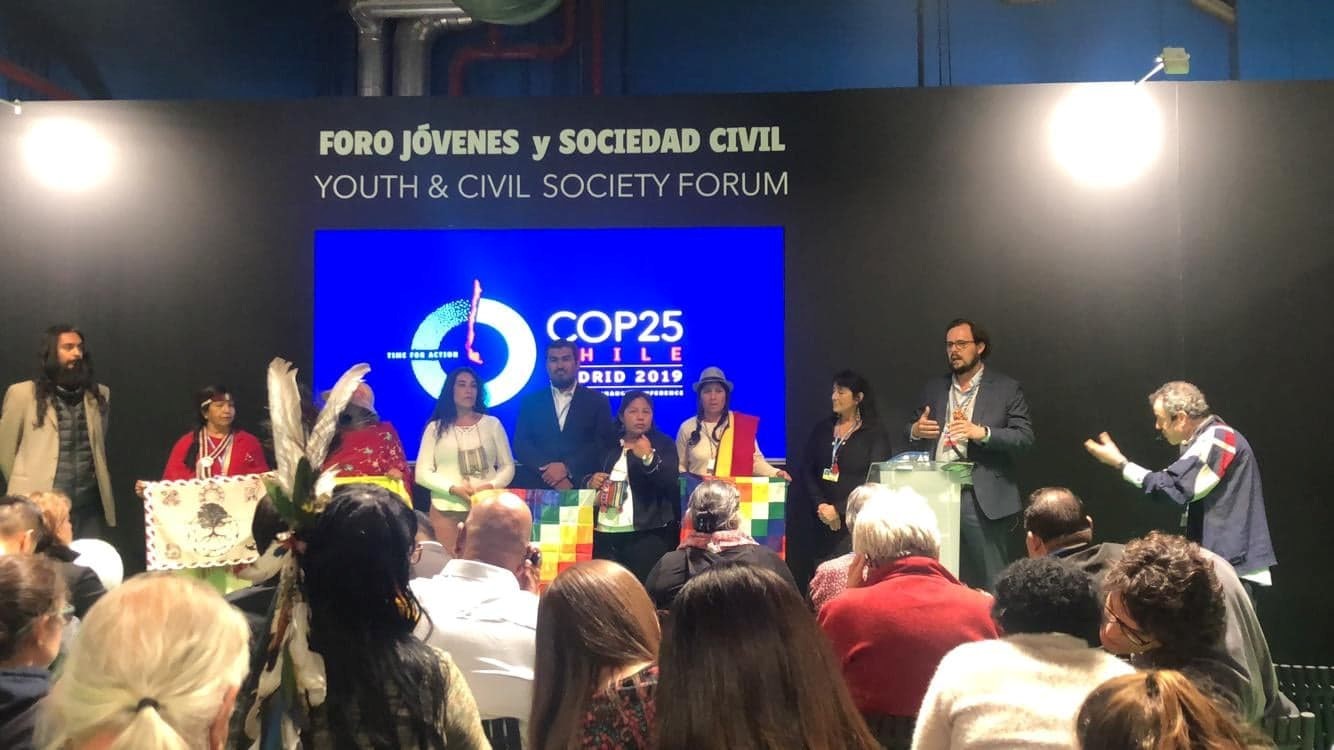 Indigenous groups across the world attended and advocated for Indigenous and Human Rights. Impact of PLT Canada and the Sustainable Forestry InitiativeI am incredibly proud of the role we play at PLT Canada and SFI in the global fight against climate change and in support of Indigenous Peoples. At SFI, we are advancing sustainability through forest-focused solutions. Just like the countries mentioned above who see that forests are the answer to many of our challenges. Whether it be climate change or sustainable forest products, SFI is committed to delivering better solutions for the planet. And at PLT Canada, we support youth in green careers by placing them in green jobs and providing important support services, like mentorship and career counseling. These youth are doing their part for the environment. They are also getting critical work experience in fields like ecosystem and wildlife management, forest health, and recreation and interpretation. We are growing future forest and conservation leaders, and they are a big part of the climate change solution.  Ben Siebert and Marissa Bischoff, PLT Canada Green Jobs youth with Ducks Unlimited Canada, working to help develop habitat restoration plans in B.C Take away from the conferenceEvery day at COP25 was different. I met so many passionate people from around the world, and I learned so much. Although finding solutions to climate change is complicated, I noticed one important thread throughout the conference. People want to do better for our environment and for those most impacted by climate change, and forests can help us get there. Learn more about SFI’s role in mitigating climate change (video). Note: I was one of five youth delegates selected by the United Nations Association in Canada to attend COP25. I was invited to apply because I was a Junior Professional Consultant for the United Nations Development Program in Vietnam in 2018. My attendance was funded by Environment and Climate Change Canada. | RELATED NEWS
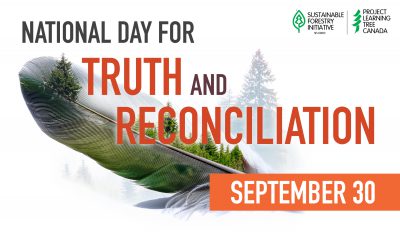
Truth and Reconciliation Week 2026By Elaina Cox On September 30, the National Day for Truth and Reconciliation, we reflect on the history and ongoing impacts of residential schools and consider what reconciliation can look like in action. Residential schools caused generations of harm by separating Indigenous children from their families, communities, cultures, languages, and lands. This disrupted the transmission of knowledge, stories, and land-based teachings from one generation to the next. We have an opportunity to reflect on the importance of education, and the role it can play in building a more informed, respectful, and connected future. Today, supporting environmental education and youth are meaningful ways we can help strengthen those connections. For…
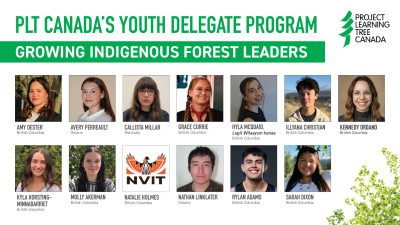
SFI and PLT Canada’s Youth Delegate Program Grows Indigenous Forest LeadersWith new support from the Forest Products Association of Canada and Canadian Council of Forest Ministers By Elaina Cox, Indigenous Relations Coordinator, SFI and PLT Canada Since 2023, more than 165 young adults have participated in the Sustainable Forestry Initiative (SFI)/Project Learning Tree Canada (PLT Canada) Youth Delegate program—designed to advance young people’s career pathways and leadership development in the forest sector. This May, the program brought together 41 young leaders from communities across Canada and the U.S. for a…
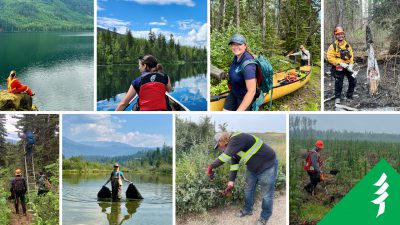
PLT Canada announces renewed green jobs funding to support youth across CanadaOttawa, ON – Project Learning Tree Canada (PLT Canada) is pleased to announce renewed funding for its Green Jobs program, providing support to employers hiring youth aged 15-30 in Canada’s forest and conservation sector. Through continued support from the Government of Canada’s Youth Employment and Skills Strategy and key partners, PLT Canada will deliver both short-term job placements and long-term internships, helping young people gain hands-on experience while building pathways into meaningful green careers. Short-Term Green Jobs, supported with funding from Parks Canada, are positions within the forest, parks, and conservation… |