

Environmental Education
4 Reasons to Bring Learning Outdoors This School YearSeptember 09, 2026Start your school year with PLT Canada!
When learners step outside to investigate a local ecosystem, observe seasonal changes, explore how forests contribute to healthy communities, or learn about green careers, they’re developing critical skills, learning about real-world problems, connecting with their community, and building understanding of how they fit in with the natural world around them. Here are just 4 of many reasons why outdoor and environmental education should have a place in your classroom this school year! 1. Inspire curiosity and support student and teacher well-beingSometimes novel learning opportunities are right outside the school doors. School grounds, neighbourhood parks, and local green spaces can become extensions of the classroom and help educators turn complex concepts into tangible experiences. Whether learners are making observations, collecting and analyzing data, or sketching seasonal changes, direct hands-on experiences can help inspire curiosity.
2. Connect students with their local environmentLearning is often more engaging when students can see for themselves why it matters. Connecting lessons to local ecosystems can help students discover they already have rich connections to the environment. Local parks, green spaces, community forests, and waterways all offer opportunities for students to explore environmental concepts in their own environments. Paired with activities like Backyard Naturalist, Charting Biodiversity, or Field, Forest, and Stream from PLT Canada’s Explore Your Environment: K-8 Activity Guide, a tree on school grounds can offer the opportunity to investigate habitats, life cycles, and seasonal changes. Watersheds, water treatment facilities, or even a nearby ditch can be a setting for investigating biodiversity, ecosystems, and human impacts on the environment! Grounding curricular lessons in familiar places helps students to build on their existing knowledge and deepen their understanding of the systems and interrelationships shaping their communities.
3. Enhance learning with hands-on activitiesHands-on learning activities help learners connect curricular concepts with real-world contexts. Beyond reading about ecosystems, biodiversity and forest health, students can investigate these concepts firsthand. Through observation, inquiry, and exploration, learners can gather evidence, ask questions, identify patterns, and draw connections to real-world contexts. Immersive and investigative learning opportunities can help to develop critical thinking, problem-solving, and collaborative skills needed to become future forest and conservation leaders. The activities in PLT Canada’s Explore Your Environment: K-8 Activity Guide integrate environmental education across a multitude of subjects through hands-on classroom studies and outdoor field investigations. 4. Introduce students to green careers
The skills and attitudes developed through environmental education, like critical thinking, problem-solving, collaboration, observation, communication, are highly valued across a range of career pathways, including forestry, recreation, environmental research, and technology. By introducing students to these careers and the people who work in them, educators can help broaden student understanding of the pathways available to them and afford students opportunities to see how their skills and interests today could translate into meaningful careers tomorrow. PLT Canada’s Green Jobs: Exploring Forest Careers and A Guide to Green Jobs in Canada: Voices of Indigenous Professionals are resources that can engage learners in actively exploring green careers.
|
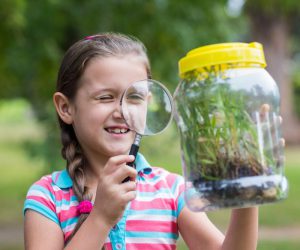 Whether it’s a 30-minute bird count on school grounds, or a deeper investigation in a local forest, environmental education helps spark curiosity, build confidence, and strengthen connections to our natural world. In addition to supporting academic and curricular goals, these experiences help learners develop the perspectives needed to navigate complex environmental challenges in the future, and develop critical skills like teamwork, communication, research and analysis, decision-making and problem-solving, and so many others!
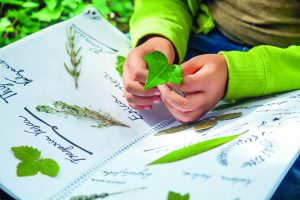 Research also shows that time spent outdoors supports physical and emotional well-being, encourages teamwork and collaboration in students, and can enhance learning. Being outdoors inspires curiosity, exploration, and discovery, helping learners meaningfully connect not just with the content, but with the world around them.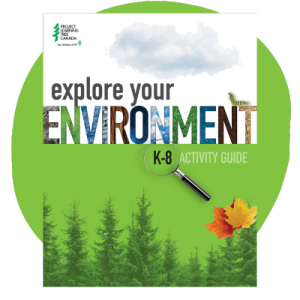
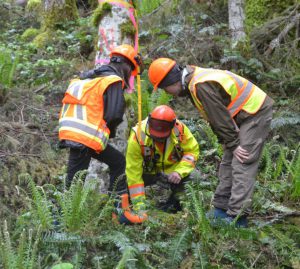 From forestry and conservation, to parks, urban forestry and natural resource management, there are countless careers dedicated to supporting healthy forests, ecosystems, and sustainable communities.


