

News
Truth and Reconciliation Week 2026September 25, 2026
On September 30, the National Day for Truth and Reconciliation, we reflect on the history and ongoing impacts of residential schools and consider what reconciliation can look like in action. Residential schools caused generations of harm by separating Indigenous children from their families, communities, cultures, languages, and lands. This disrupted the transmission of knowledge, stories, and land-based teachings from one generation to the next. We have an opportunity to reflect on the importance of education, and the role it can play in building a more informed, respectful, and connected future. Today, supporting environmental education and youth are meaningful ways we can help strengthen those connections. For young people, learning about the environment should go beyond textbooks and classrooms. Land-based learning, Indigenous Knowledges, languages, and cultural teachings can help young people develop a deeper understanding of the land and their relationship with it. Environmental education can create space for Indigenous perspectives and Knowledges in how we understand and care for our forests, waters, and ecosystems. Supporting Indigenous youth can help strengthen connections to culture, language, community, and land while creating pathways into education and careers in forestry and environmental stewardship. Educating all youth about Indigenous histories, cultures, and relationships with the land can help foster understanding, respect, and meaningful relationships for generations to come. Reconciliation requires more than remembering the past. It also means creating opportunities for the next generation to learn, connect, and carry knowledge forward. By investing in youth and environmental education today, we can help build a future where Indigenous Knowledges, cultures, and voices are respected—and where young people are empowered to become stewards of the land. The Sustainable Forestry Initiative and Project Learning Tree Canada are committed to building and promoting forest-focused collaborations rooted in recognition and respect for Indigenous Peoples’ rights and Traditional Knowledge. Several outcomes in SFI’s 2025-2030 Strategic Direction, such as Increased integration of Indigenous Peoples’ Rights, Traditional Knowledges, and self-determined priorities into forest management practices and Increased collaboration with Indigenous Peoples, support this work. Learn more
Mental health support | RELATED NEWS
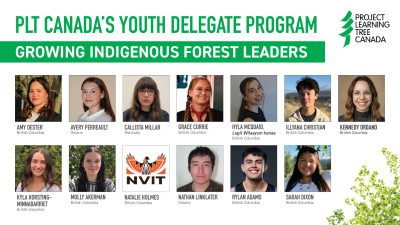
SFI and PLT Canada’s Youth Delegate Program Grows Indigenous Forest LeadersWith new support from the Forest Products Association of Canada and Canadian Council of Forest Ministers By Elaina Cox, Indigenous Relations Coordinator, SFI and PLT Canada Since 2023, more than 165 young adults have participated in the Sustainable Forestry Initiative (SFI)/Project Learning Tree Canada (PLT Canada) Youth Delegate program—designed to advance young people’s career pathways and leadership development in the forest sector. This May, the program brought together 41 young leaders from communities across Canada and the U.S. for a…
PLT Canada announces renewed green jobs funding to support youth across CanadaOttawa, ON – Project Learning Tree Canada (PLT Canada) is pleased to announce renewed funding for its Green Jobs program, providing support to employers hiring youth aged 15-30 in Canada’s forest and conservation sector. Through continued support from the Government of Canada’s Youth Employment and Skills Strategy and key partners, PLT Canada will deliver both short-term job placements and long-term internships, helping young people gain hands-on experience while building pathways into meaningful green careers. Short-Term Green Jobs, supported with funding from Parks Canada, are positions within the forest, parks, and conservation… |
 By Elaina Cox